
Silver coins have long been a popular form of investment and collectible asset. Whether you’ve inherited a collection, invested in bullion coins over time, or simply want to take advantage of favorable market conditions, knowing how to sell silver coins properly can make a significant difference in the amount you receive.
Unlike everyday items sold based on simple supply and demand, silver coins derive their value from multiple factors, including precious metal content, rarity, collector demand, and market conditions. If you’re selling silver, you want to know what the silver price is worth. Sellers who understand these factors—and who work with experienced coin professionals—typically achieve better outcomes than those who rush the process.
This guide explains everything you need to know about selling silver coins, including how coins are valued, the best places to sell them, and how to maximize the return on your investment.
Understanding What Determines the Value of Silver Coins
Before selling silver coins, it is important to understand what drives their value. While many coins contain a measurable amount of silver, the final price paid by buyers depends on more than just metal weight.
Silver Content and Melt Value
At the most basic level, silver coins are valued based on their silver content, often referred to as melt value. This value is determined by multiplying the amount of silver in the coin by the current market price of silver. We have a page for that: Silver Price
Silver prices are established through global commodities markets, including exchanges influenced by organizations such as the London Bullion Market Association and the Chicago Mercantile Exchange.
For example, if silver is trading at $25 per troy ounce and your coin contains one ounce of silver, its base value would be approximately that amount before premiums or dealer adjustments.
Coin Condition
Condition plays an important role in determining a coin’s resale value. Coins with minimal wear, sharp details, and strong surface luster generally fetch more than heavily circulated examples.
Collectors and dealers often describe condition using terms such as:
- Circulated
- Uncirculated
- Mint State
The better the condition, the more attractive the coin becomes to buyers and collectors.
Rarity and Collectibility
Some silver coins carry numismatic value, meaning their worth extends beyond the metal they contain. Coins that are rare, historically significant, or produced in limited quantities may command higher prices.
For instance, older coins produced by the United States Mint or coins with low mintages can be especially desirable among collectors.
Understanding whether your coins are primarily bullion or collectible items is an important step before selling.
Common Silver Coins Buyers Look For
Many silver coins are widely traded and easily recognized by buyers. These coins typically contain standardized amounts of silver and are commonly bought and sold by investors.
Some of the most frequently traded examples include:
- American Silver Eagle – One of the most popular silver bullion coins in the United States.
- Canadian Silver Maple Leaf – Known for its high purity and global recognition.
- Morgan Silver Dollars – A historic coin widely collected for its beauty and rarity.
- Silver Peace Dollars – Another collectible U.S. silver dollar with strong demand among collectors.
Because these coins are widely recognized, dealers can quickly evaluate them and offer competitive pricing.
Step-by-Step: How to Sell Silver Coins
Selling silver coins successfully involves a series of simple but important steps. Taking the time to follow a clear process helps ensure you receive a fair offer.
1. Identify Your Coins
Start by determining exactly what coins you own. Key details to note include:
- Year the coin was minted
- Country of origin
- Weight and silver purity
- Mint mark (if present)
These details help determine whether the coin is primarily valued as bullion or as a collectible.
2. Check the Current Silver Price
Silver prices change frequently based on global economic conditions. Checking the current spot price of silver gives you a baseline understanding of what your coins are worth.
Many reputable coin dealers use the current spot price as a starting point when calculating purchase offers.
3. Determine Bullion vs. Numismatic Value
Silver coins generally fall into two categories:
Bullion coins
These are valued primarily for their silver content. Examples include modern investment coins produced by government mints.
Numismatic coins
These coins may have collector value due to rarity, age, or condition. Older U.S. coins or limited-mintage coins often fall into this category.
Professional coin dealers can quickly determine which category your coins fall into.
4. Compare Selling Options
There are several places to sell silver coins, and each option has advantages depending on your goals.
Local Coin Shops
Local coin dealers are one of the safest and most convenient options for selling silver coins. They can evaluate coins in person and provide immediate payment.
Precious Metal Buyers
Businesses specializing in gold and silver purchases often buy bullion coins, junk silver, and collectible coins.
Online Marketplaces
Online platforms can sometimes bring higher prices for rare coins, but sellers must account for fees, shipping costs, and potential fraud risks.
Auctions
For particularly rare coins, professional coin auctions may attract collectors willing to pay premiums.
Why Many Sellers Prefer Professional Coin Dealers
For most individuals learning how to sell silver coins, working with a professional coin dealer offers the most straightforward and secure experience.
Experienced dealers provide:
- Accurate identification of coins
- Transparent pricing based on current market conditions
- Immediate payment
- Professional evaluation of collectible value
This approach removes much of the uncertainty involved in selling coins privately.
Tips to Maximize the Value of Your Silver Coins
Experienced sellers often follow a few key practices that help them receive stronger offers when selling silver coins.
Avoid Cleaning Coins
Cleaning a coin may seem like a good idea, but it can actually reduce its value. Scratches or surface damage from cleaning can dramatically reduce collector interest.
Keep Coins in Original Packaging
If coins came with mint packaging or protective cases, keeping them intact can help preserve their value.
Monitor Silver Market Trends
Silver prices can fluctuate significantly based on global economic conditions. Watching the market may allow you to sell during stronger price periods.
Work With Reputable Buyers
Established coin dealers often offer better pricing because they have access to collector networks and precious metal markets. Professional coin dealers offer several advantages over just any buyer, such as trust and convenience, to name a few.
Silver Coins vs. Junk Silver
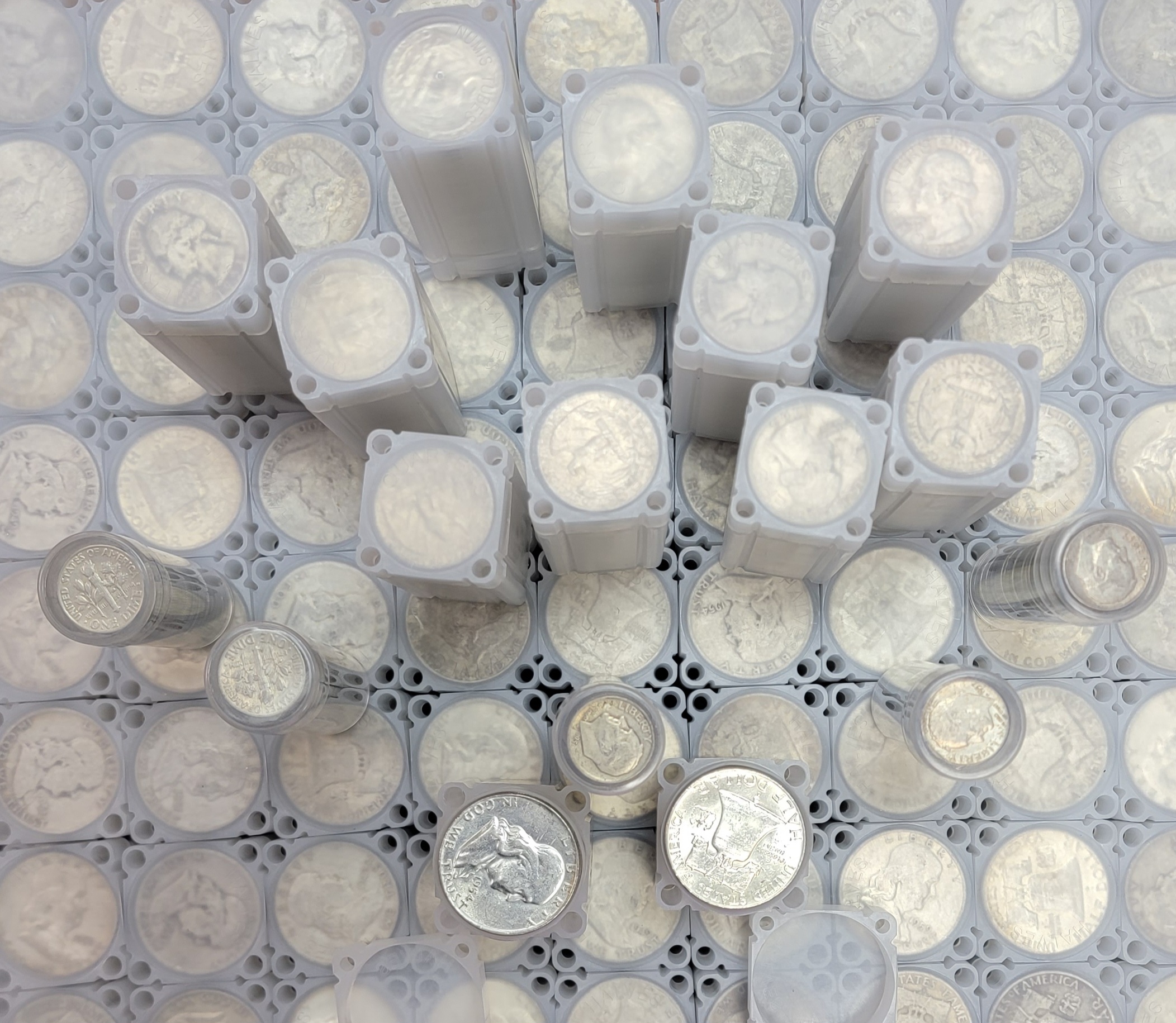
Many sellers are surprised to learn that older U.S. coins—such as dimes, quarters, and half dollars minted before 1965—contain significant amounts of silver. These coins are often referred to as junk silver. This can refer to many silver coin types:
- Silver Washington Quarters
- Standing Liberty Quarters
- Barber Silver Quarter
- Silver Mercury Dimes
- Silver Roosevelt Dimes
- Silver Walking Liberty Half Dollars
- Silver Kennedy Half Dollars 1964
Although these coins may not have strong collector value, their silver content still makes them valuable in precious metal markets.
Dealers typically price junk silver based on the total silver weight contained in the coins.
When Is the Best Time to Sell Silver Coins?
Silver prices tend to rise during periods of economic uncertainty, inflation, and currency instability. While predicting exact price peaks is impossible, sellers often pay attention to broader economic trends.
Factors that commonly influence silver prices include:
- Inflation rates
- Industrial demand for silver
- Interest rates
- Global economic uncertainty
Because silver is used in both industrial manufacturing and investment markets, price movements can sometimes be more volatile than gold.
Selling Silver Coins to KC Gold Silver & Rare Coins
When you’re ready to sell silver coins, working with a trusted precious metals dealer can make the process simple and secure.
KC Gold, Silver & Rare Coins specializes in buying and selling silver coins, gold coins, bullion, and collectible currency. Their experienced team carefully evaluates each coin based on silver content, rarity, condition, and current market prices.
Whether you’re selling a few investment coins or an entire inherited collection, professional evaluation ensures you receive fair market value.
Frequently Asked Questions About Selling Silver Coins
How do I know how much my silver coins are worth?
The value of silver coins depends on their silver content, condition, rarity, and the current silver market price. A professional coin dealer can provide an accurate evaluation.
Where can I sell silver coins?
Silver coins can be sold to coin dealers, precious metal buyers, online marketplaces, or auctions. Many sellers prefer local coin shops for their convenience and transparency.
Should I clean silver coins before selling them?
No. Cleaning coins can damage their surface and reduce collector value. Coins should always be left in their original condition.
Are old silver coins worth more than their silver value?
Some older coins have additional collector value due to rarity, age, or condition. Others are valued primarily for their silver content.
How long does it take to sell silver coins?
When working with a coin dealer, the process can often be completed the same day after evaluation.
Do silver coins sell for the same price as silver bullion?
Not always. While bullion coins are closely tied to the silver spot price, collectible coins may sell for significantly more depending on demand and rarity.
Final Thoughts
Understanding how to sell silver coins begins with knowing what you own, understanding current market conditions, and choosing the right buyer. With the right approach, selling silver coins can be a straightforward process that provides fair value for your precious metal assets.
If you’re in the Dallas or Fort Worth area and need to sell gold, be sure to give us a call. You can reach us by calling (469) 388-1004.
You can also visit our coin shop in person. Here’s the address: 5201 S Colony Blvd Suite #694 The Colony, Texas 75056
We’ll see you there.